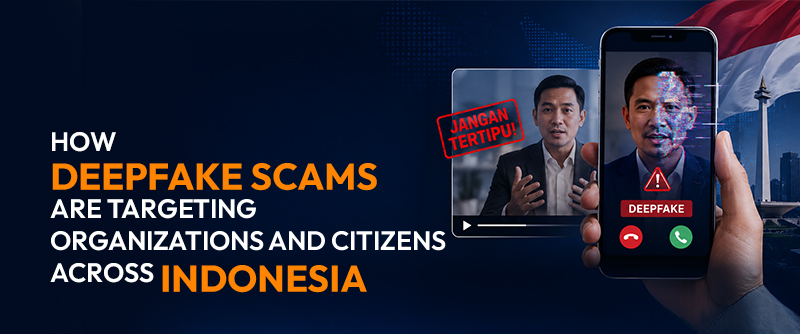
Deepfake scams are becoming a rising concern across Indonesia. Fraudsters use artificial intelligence to create videos and audio recordings that appear genuine. These fakes convince people to send money or reveal private information. Financial authorities reported losses from such schemes reached Rp7.8 trillion in a single year. The scams hit citizens who receive sudden requests from supposed family members. They also affect companies through fake demands from executives. This adds pressure to existing cyber threats in Indonesia. Digital banking and online services have spread quickly in recent years. Many users still trust what they see on video calls or social media. Spotting the issue early helps build better habits.
Deepfake scams use software that generates realistic, fabricated content. The tools have become easier to obtain, so even small criminal groups can achieve results quickly.
This is achieved by first gathering images, video clips, or audio clips of the intended individual. The software then uses machine learning to detect patterns and learn about facial expressions, vocalizations, and body language. This is then used to transfer the identity of the original subject to another clip.
Attackers pair the fakes with pressure tactics that feel urgent. They often pretend to be a family member who needs cash for a hospital visit or sudden travel. Other versions show well-known figures urging viewers to join fake investment plans. Some scams use live video calls where the face and voice respond in real time. Voice cloning adds another layer by requesting bank details or transfer codes. These tricks work because they stir emotions instead of relying only on technology. Recent counts show a clear increase in such cases, and many people lose savings before they question the request.
Regular people across the country receive these attacks through common apps such as WhatsApp or social platforms. The messages feel close and personal, which lowers defenses.
Fraud groups produced deepfake clips of President Prabowo Subianto offering government support that did not exist. One version reached 20 provinces and told viewers to pay Rp250,000 to Rp1 million via a listed number to cover processing fees. The aid never arrived. Similar fakes featured other leaders offering help. Fintech accounts face deepfakes that bypass standard identity checks and open loans in the victim’s name. Estimates put possible losses from these loan tricks at nearly $138.5 million over a short span.
The scams also hit family bonds and feelings of fear. A deepfake might show a crying child or parent who claims to need immediate help. Relatives receive messages that appear to come from loved ones abroad in distress. Public figures appear in clips that promote gambling sites or quick-rich schemes. Panic rises quickly, and people act without checking facts. Families sometimes argue when one member falls for the trick, straining trust at home. Shared videos on social media amplify the damage and leave victims feeling alone. This pattern adds to cybercrime in Indonesia because it turns normal trust into a tool for harm.
Businesses and public offices also face these attacks. Deepfakes let criminals copy internal talks in ways that seem completely genuine.
Criminals impersonate top managers during video conferences and authorize large payments to external accounts. In one review, more than 1,100 deepfake attempts targeted a single bank or fintech provider. The requests often arrive as urgent vendor invoices that need immediate settlement. Staff members who recognize the face and tone move forward without extra checks. These events connect to the broader Indonesian cyberattack pattern that constantly pressures financial networks.
Fake videos of leaders saying things they never said can travel fast online and shake customer confidence. Clients begin to doubt services after seeing deepfake promotions for scam products. Teams lose hours verifying messages or handling false alarms. Partners may step back after news of an incident spreads. Rules on data protection can bring fines if a breach occurs during the attack. Leaders must pull resources from normal work to fix the fallout. In serious situations, share prices or long-term deals suffer lasting damage.
Indonesia has one of the largest internet user bases in the world, and mobile banking is also rising. Many accounts still use simple checks that deepfakes now easily beat. Some areas show lower levels of digital knowledge, so fewer people notice warning signs. Low-cost AI programs allow local groups to test ideas cheaply. The spread-out islands and large population help cross-border networks operate. Government data recorded a 1,550 percent rise in AI-related fraud inside fintech services alone. These points together fuel cybercrime in Indonesia and open access to repeated large-scale attempts.
Both individuals and companies can take direct steps to reduce the risk of falling victim.
Always confirm the identity of the person with a saved number when a request feels sudden. Skip any links or OTP sharing that appears during video chats. Check official sites for news about aid or programs instead of social posts. Turn on two-factor authentication for every account and review transaction alerts daily. Talk over big money requests with another family member before acting. Send reports of odd messages straight to the platform and police.
Run regular training so staff learn to watch for odd eye movements or slight voice lags in videos. Set rules that require 2-3 approvals for any payment over a fixed amount, including a separate phone check. Choose verification systems that require users to move their heads or read random words during login. Treat every video demand as unverified until separate proof arrives.
Use software that reads video files for hidden editing marks or mismatched shadows. Keep an eye on login records for activity that does not match normal staff patterns. Build a small response group ready to cut off affected accounts the moment trouble appears. Exchange notes with other companies about new scam styles so everyone stays ahead. Check that insurance policies cover losses from deepfake fraud. Conduct annual reviews of how identity checks operate within the organization. Technology, combined with careful human review, provides the best shield against cyber threats in Indonesia.
Gatherings such as the IndoSec Summit help build stronger defenses nationwide. The event connects officials, company heads, and security specialists for practical talks on current threats. Attendees review actual cases and test tools suited to local needs. Discussions share updates on methods that work now. Through shared work, the summit lifts cybersecurity awareness in Indonesia and encourages joint efforts against cybercrime in Indonesia. Companies take away ideas they can start using right away. Platforms like this change information into real protection and prepare more groups to face deepfake scams with confidence.