An identity fabric is an architecture that unifies all human and machine identities into a single, continuously verified layer, replacing the disconnected identity silos that most enterprises still rely on. Enterprise security teams keep adding tools, yet breaches continue to slip through identity gaps that legacy architectures cannot detect. Analysts tracking the Zero Trust market […]
Autonomous AI reconnaissance happens when an AI agent scans a network, maps its defenses, and decides its next move on its own, without a human giving instruction. This shift is already reshaping how SOC teams operate. What once took a skilled tester several days now takes an autonomous agent under an hour, and the gap […]
AI-powered social engineering is the use of generative AI, cloned voices, and deepfake videos to impersonate real employees and manipulate staff into approving payments or sharing confidential information. While enterprise teams have spent the last decade training staff to spot fraud attempts through signs like poor grammar and mismatched sender addresses, those heuristics no longer […]
Auditing AI decisions before regulators requires keeping a documented record of what data a system uses, who holds the authority to override its output, and why it reached a particular decision. In Indonesia, government agencies already use AI for citizen chatbots, document verification, and welfare fraud detection – often without that kind of record-keeping in […]
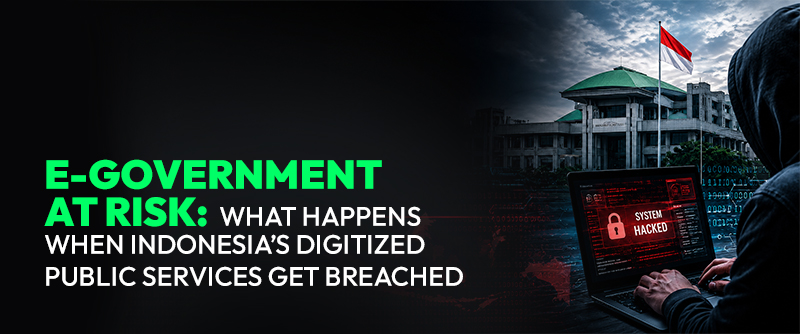
A ransomware attack on Indonesia’s National Data Centre in June 2024 disrupted 282 public services, leaving critical government systems offline for weeks. The incident exposed how heavily public services now depend on digital infrastructure. Over the past two decades, immigration records, tax filings, civil registration, and other essential services have increasingly moved online, making secure […]
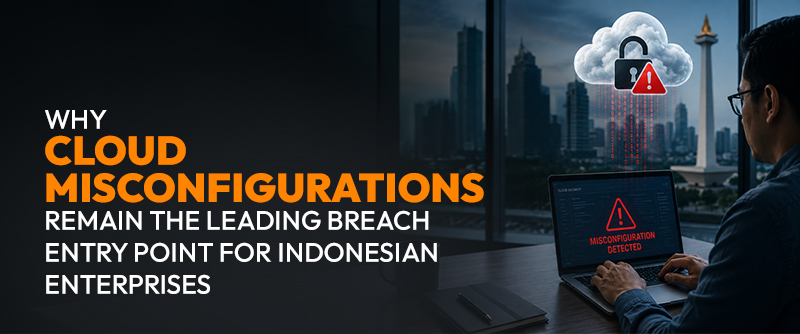
Cloud adoption across Indonesia has outpaced the governance needed to secure it. Enterprises in banking, telecommunications, government, and e-commerce have shifted critical workloads to public and hybrid clouds, yet many still lack the internal controls to manage them safely. This gap explains why misconfiguration, not sophisticated malware, remains the most common entry point for breaches. […]
Practical Steps Indonesian Organizations Can Take Today Enterprises can strengthen their posture immediately by taking the following steps: From Policy to Execution Written policy alone does not prevent breaches. Consistent enforcement, regular audits, and visible leadership accountability are what turn access governance from a static document into a genuinely active, working defense system across the […]

National digital identity programs and biometric platforms now anchor banking, government services, and cross-border commerce across Southeast Asia. As enrollment volumes climb, criminal groups have moved from stealing identities to manufacturing them, using genuine data with fabricated details to build synthetic profiles that clear conventional checks with ease. Platforms that still rely on outdated verification […]
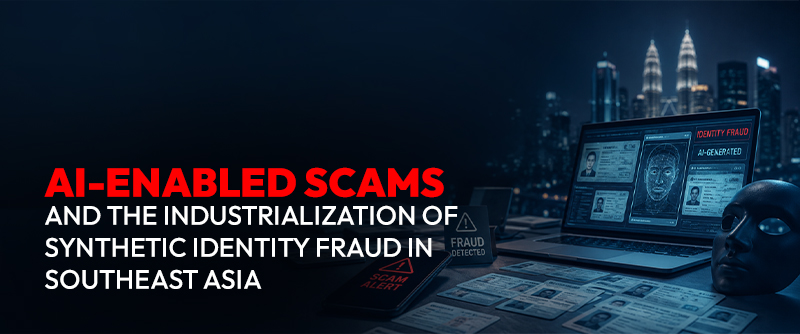
Fraud in Southeast Asia has stopped resembling petty crime and started resembling an industry with shift schedules, performance quotas, and AI adoption that challenges legitimate call centres. Synthetic identities, deepfake video calls, and cloned voices are no longer experimental novelties. They are production line equipment for organised fraud. For organizations practicing cyber risk management across […]
Security operations are evolving as machines transition from basic assistance to autonomous judgment and independent incident response. Agentic AI systems can evaluate incidents, determine appropriate responses, and execute them with very little human oversight. This evolution presents a critical challenge for CISOs: establishing oversight for systems that make decisions outside of predictable patterns. Consequently, developing […]