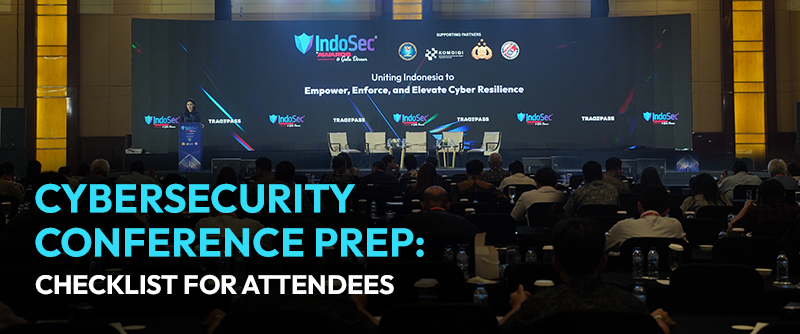
Attending your first major cybersecurity conference can feel both exciting and overwhelming. The buzz of industry experts, exhibitor booths, and the packed schedule of panel sessions can be a lot to take in. But with the right preparation, it becomes one of the most rewarding experiences of your career.
This guide is designed for first-time attendees of cybersecurity conferences, summits, or expos. It guides you through everything you need to do before, during, and after the event to maximize the value of your time and money.
Why prepare? Being ready helps you move with confidence, attend the right sessions, build meaningful connections, and apply what you’ve learned effectively upon returning to work. Let’s break it down into a practical checklist.
Before You Go – Start with Pre-Conference Planning
Here’s how.
1. Set Clear Objectives.
Start by identifying what you want to achieve from the event. Are you looking to stay up-to-date with the latest developments in threat intelligence? Hoping to meet specific vendors? Explore opportunities?
You must therefore define three main goals –
Being clear on your objectives helps you filter through the many parts of an event that matter most to you.
Most cybersecurity conferences publish their agenda weeks in advance. Therefore, scan the keynote speakers, panel discussions, and breakout sessions. Highlight the ones aligned with your goals.
Look out for –
Ensure to make note of any ‘must-attend’ talks that require early sign-ups, and consider setting reminders so you never miss the chance to secure your spot before registrations close.
Select a pass that aligns with your focus, keeping in mind the sessions you’re most excited about, and the overall value it brings to your professional development.
Some events offer tiered pricing for –
Early registration often comes with discounts, guaranteed spots, and the sense of certainty that you’re fully prepared ahead of time.
Secure your travel and stay early, especially if the event is in a busy region. Select hotels nearest to the venue to minimize commuting time.
If you plan to network after hours, stay near known gathering spots or the event’s official hotel. Some after-events tend to be informal but are highly valuable for relationship-building.
Pack smart. Here’s what should be in your toolkit:
If you’re attending with co-workers, divide sessions strategically. Assign different talks so your team covers more ground. Plan to regroup after the event and share takeaways.
If you’re attending with colleagues, divide the team by assigning different sessions strategically so your team covers more ground collectively. Plan dedicated time to regroup – whether during breaks or after the event – to share key takeaways and maximize your organization’s overall impact from the conference.
Beat the rush by arriving early on Day 1. Check in, grab your badge, and familiarize yourself with the venue’s layout. Arriving early gives you better seat choices and a calmer start to the day.
Most cybersecurity summits and cybersecurity conferences have mobile apps or printed schedules. Mark a list of your top-priority sessions and leave room for spontaneous discoveries.
Pro tip: Schedule time to explore the cybersecurity expo floor when it’s less crowded, such as early mornings or during major keynote sessions.
Introduce yourself with a short 30-second pitch. Mention your role, what you’re working on, and what you’re looking to learn or who you’d like to meet.
Target your networking efforts:
Cybersecurity workshops provide hands-on practice with tools, frameworks, and techniques. These often require pre-installed tools, so check instructions in advance and bring a laptop with admin rights.
Getting involved during exercises is a great way to learn and meet people with shared interests.
Instead of just taking notes, capture actionable takeaways:
Collect digital or printed slide decks when available.
Don’t overbook yourself. Burnout will kill your focus. Take a moment to grab a coffee, recharge your devices, or step outside for some fresh air. Quiet corners of the cybersecurity expo or lounge areas are perfect for reviewing notes.
Within 48 hours, organize your scattered notes into a summary document. List the most useful sessions, tools, or strategies. Include URLs, speaker names, and key contacts.
Send connection requests on LinkedIn to people you met. Mention the context briefly. A simple “Great to meet you at [event name], loved our conversation on [topic]” goes a long way.
Send thank-you emails to vendors or speakers who stand out.
Block time on your calendar to test tools you discovered or revisit strategies discussed in cybersecurity workshops.
Apply at least one change to your workflow or process based on what you learned.
If your employer funded your trip, summarize the value you gained in a brief report or presentation. Highlight trends, tools, and what the organization should explore next.
Use this momentum to plan your next event. Many cybersecurity conferences have annual editions or regional spin-offs. Bookmark the ones aligned with your goals.
Essentials:
Gear:
Apps:
Attire:
Extras:
A cybersecurity conference, whether it’s a summit, workshop, or cybersecurity expo like IndoSec, is an opportunity to learn, grow, and connect with the broader security community. With this checklist, you’ll not only navigate your first event like a pro but also make the most of your time, budget, and attention.
Prepare well, engage fully, and follow through. That’s how you turn a good event into a game-changer for your career.